San Diego Home Remodeling: Trusted Home Renovation Experts for Property Owners
Transform Your Space: Top Home Remodeling Tips From Professional Builders
Home refurbishment can be a multifaceted endeavor, often laden with complications. Seasoned contractors underscore the importance of determining transparent targets and a realistic budget. Opting for the suitable experts is vital for executing a vision effectively. Additionally, design preferences should place emphasis on utility and flow. With these foundational elements in mind, one can work through the refurbishment process more without difficulty. But what concrete strategies can guarantee a victorious metamorphosis?
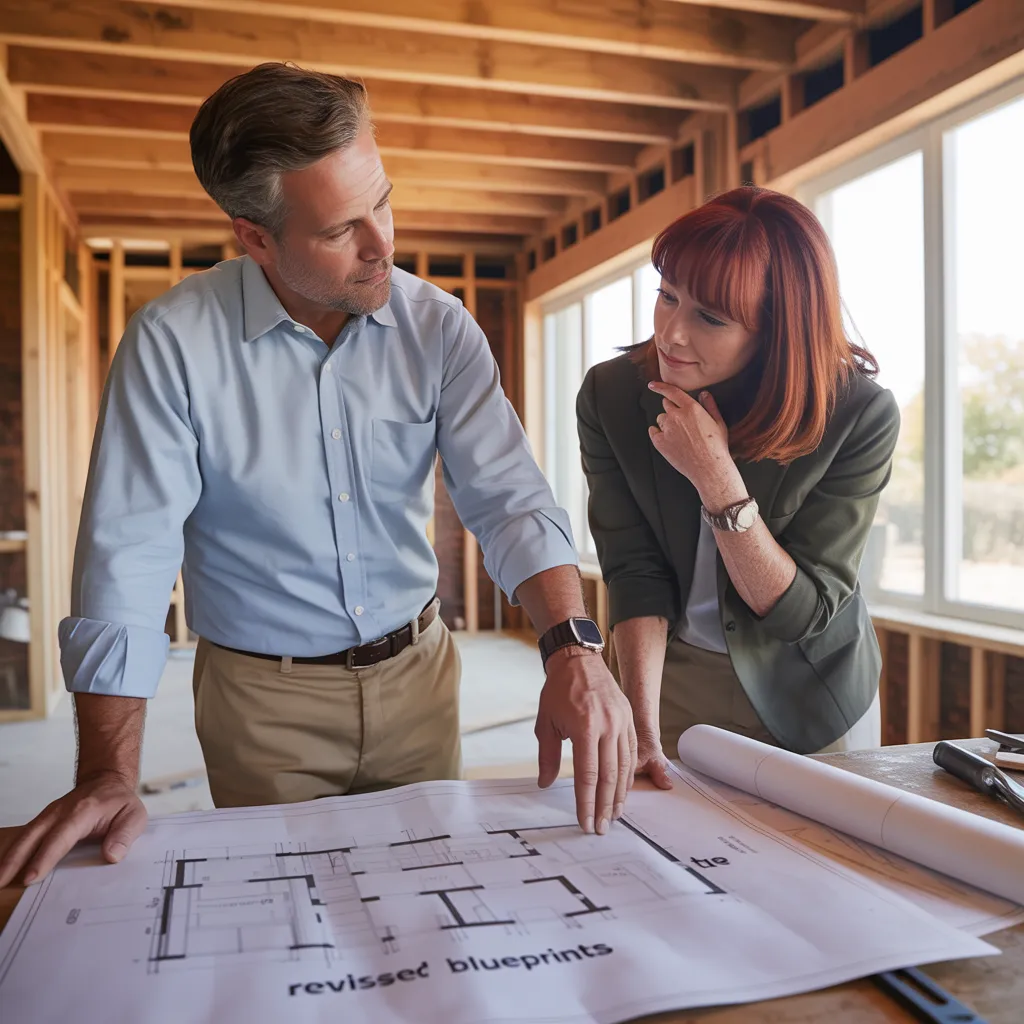
Clarify Your Goals and Priorities
Establishing aims and focal points is indispensable in the home remodeling procedure. This initial step establishes a clear vision for the work, guiding all ensuing decisions. Homeowners must appraise their demands, considering factors such as operational effectiveness, artistic merit, and lasting importance. Identifying concrete aims, such as enhancing space for family gatherings or improving energy efficiency, allows for a purposeful strategy.
Prioritization is equally necessary. It enables differentiation between must-have features and those that can be adjusted or put off. By categorizing desires based on importance, homeowners can validate that their remodeling efforts align with their overall lifestyle and aspirations.
Furthermore, clear goals can support productive communication with contractors and designers, confirming that all parties are on the same page. Ultimately, thoughtful planning at this stage encourages a easier home improvement process, decreasing potential setbacks and enabling a successful transformation of the living space.
Establish a Achievable Budget
Setting a practical financial plan is a essential element of any home renovation project. It functions as a basis for decision-making and helps prevent overspending. Homeowners should begin by assessing their financial situation, encompassing funds and potential financing alternatives. This assessment enables them to create a financial plan that aligns with their goals and preferences.

Next, it is important to develop a comprehensive analysis of expenses, including materials, labor, permits, and unexpected expenses. Experts recommend allocating an additional 10-20% of the budget for contingencies, as unforeseen issues can occur during renovation.
Additionally, property owners should examine typical expenses for their specific projects to confirm their budget is consistent with market rates. By maintaining clarity and adaptability within the budget, homeowners can competently handle their renovation initiatives while reaching their desired outcomes. Establishing a realistic budget in the end fosters a smoother remodeling experience and enhances overall satisfaction.
Determine the Optimal Service Providers
Picking the right professionals is vital for the prosperity of any home refurbishment project. Home buyers should begin by studying local firms, architects, and designers to find those with strong reputations and relevant experience. Checking reviews, portfolios, and references can provide insight into their work caliber and reliability.
It's also important to ensure that chosen contractors are licensed and insured, which safeguards homeowners from possible legal issues. Engaging in thorough interviews will help gauge their communication style and ability to align with the homeowner's vision.
Defining transparent requirements with respect to schedules, budgets, and deliverables is critical to sidestep misunderstandings. Proprietors should seek professionals who are not only skilled but also manifest a commitment to joint effort and transparency. Ultimately, the right team will not only fulfill the intention competently but also boost the renovation undertaking, promoting sureness throughout the process.
Structure for Functionality and Navigation
In home remodeling, considering functionality and flow is crucial for creating a harmonious living space. Effective space usage maximizes every square foot, while guaranteeing easy movement improves daily activities. Together, these elements contribute to a well-organized and inviting environment.
Improve Room Allocation
As you commence a home remodeling project, prioritizing space utilization can substantially improve both functionality and movement. Expert builders highlight the importance of examining each area to determine its primary purpose. This means adopting versatile furniture, like collapsible tables or built-in storage, which can greatly optimize limited spaces. Additionally, open layouts can create a seamless shift between rooms, permitting for a more roomy feel. Strategic positioning of furniture can also boost the overall layout, making sure that each room fulfills its intended function without overcrowding. By methodically organizing the movement of traffic and accessibility, homeowners can establish a balanced environment that maximizes the use of space while sustaining a pleasing aesthetic. Finally, strategic design can revolutionize any area into a more efficient living space.
Make Movement Easy
Effective navigation within a home is crucial for improving everyday functionality and circulation. When designing a remodel, it is vital to take into account the layout and ease of access of spaces. Open floor plans often enable smoother traffic, allowing occupants to transition between rooms with ease. Strategic placement of doorways, furniture, and fixtures can further enhance circulation, reducing obstacles. Designers suggest maintaining clear pathways, ideally at least 36 inches wide, to ensure comfortable passage for all users, including those with mobility challenges. Additionally, thoughtful division of spaces—such as separating living areas from workspaces—can enhance usability. By emphasizing ease of movement, homeowners can create a harmonious environment that supports daily activities and fosters a sense of order throughout the space.
Get the Most of Your Square Footage With Smart Architecture
Strategic approach plays an key role in expanding space within a house, as it allows for both functionality and aesthetics to coexist seamlessly. Seasoned developers recommend using open floor plans to create a sense of openness, breaking down avoidable barriers between rooms. Multi-functional furnishings, such as a sofa bed or a storage ottoman, can also help to optimize limited areas, providing utility without sacrificing style.
Incorporating vertical storage solutions is another smart approach, as shelves and cabinets that extend to the ceiling guide your gaze up, improving the sense of height. Additionally, deliberate mirror placement can reflect light and create an illusion of depth, making rooms appear larger. Daylight is essential; large windows or skylights can illuminate areas while enhancing the overall ambiance. Careful planning and design choices ultimately convert cramped areas into inviting, functional environments that cater to modern living needs.|Using elevated storage options represents another practical method, as shelves and cabinets that reach the ceiling pull your focus up, improving the sense of height. Furthermore, deliberate mirror placement can bounce light around and produce a sense of depth, causing spaces to look bigger. Natural light is vital; expansive windows or skylights can brighten environments while improving the overall feel. Strategic layout and design choices ultimately reshape confined areas into attractive, useful environments that support contemporary living standards.|Implementing vertical storage solutions serves as another useful tactic, as shelves and cabinets that climb to the ceiling attract the eye upward, boosting spatial perception. In addition, intentional use of mirrors can disperse light and develop an illusion of depth, expanding how spaces feel. Ambient light proves necessary; generous windows or roof apertures can fill spaces with brightness while boosting the ambient quality. Deliberate design and layout planning ultimately reshape limited spaces into charming, useful settings that fulfill contemporary needs.|Adopting tall storage arrangements constitutes another efficient approach, as storage units and shelves that rise to the ceiling elevate visual focus, maximizing the sense of height. Concurrently, careful mirror positioning can diffuse illumination and manufacture spatial illusion, amplifying how expansive areas appear. Ambient light is vital; substantial windows or skylights can enhance interior brightness while improving the overall aesthetic. Strategic layout and design approaches fundamentally reimagine confined spaces into charming, practical domains that serve modern dwelling needs.
Opt for Quality Products and Aesthetics
Choosing excellent finishes and materials is vital in home renovation, as it has a direct effect on both durability and visual appeal. Expert tradespeople propose selecting materials that not only uplift the visual presentation of the space but also withstand the test of time. For instance, hardwood flooring offers longevity and warmth, while superior countertops lift kitchen aesthetics and functionality.
Furthermore, elements like paint and fixtures should be selected thoughtfully. Selecting paint with superior longevity can reduce deterioration, while premium fixtures can provide a polished look that complements the overall design. Additionally, it is advisable to explore sustainable options that promote a healthier living environment. Choosing quality materials and finishes ultimately pays off, as it can result in increased property value and reduced maintenance costs over time. By focusing on these elements, homeowners can design a lasting and beautiful space that satisfies their needs.
Don't Overlook Lighting
Lighting influences the visual and practical aspects of home remodeling in significant ways. Employing layered lighting techniques can create an inviting mood of a space, while harnessing daylight can make rooms feel more spacious, bright. These key factors are essential for creating a well-planned environment that meets both tangible needs and intangible wants.
Layered Lighting Techniques
During a remodel, many homeowners pay attention to aesthetics and functionality but often fail to recognize the important function of layered lighting in crafting a warm atmosphere. Experienced builders suggest using three types of lighting: ambient, task, and accent. Ambient lighting provides overall light, examination forming the base layer for rooms. Lighting meant for tasks, like under-cabinet lights or reading lamps, offers focused light to support specific duties. Architectural features or artwork are accentuated by accent lighting, which adds depth and allure. Combining these types of lighting allows homeowners to attain a harmonious and flexible environment. Furthermore, adjustable fixtures, dimmers, and smart lighting make it easy to customize the environment, allowing it to shift with various moods and events. Overall, this deliberate lighting plan enhances both function and ambiance.
Natural Light Enhancement
Natural light plays an essential role in improving the overall atmosphere of a space, as it not only illuminates rooms but also aids the health and well-being of those inside. Experienced builders encourage maximizing natural light by thoughtful window placement, ensuring that interiors get ample sunlight throughout the day. Using larger windows or glass doors can establish a seamless connection with the outdoors, further fostering openness. Additionally, applying mirrored surfaces, like mirrors and light-colored walls, can enhance the impact of natural light. Also, consider the position of the home; south-facing windows tend to receive more sunlight. Lastly, keeping views clear will boost the natural light experience, making interiors feel more vibrant and welcoming.
Keep Flexible and Responsive During the Process
The home remodeling journey frequently brings forth unanticipated challenges, requiring homeowners to stay flexible and accommodating. Changes can arise due to budget constraints, unexpected structural issues, or delays in equipment shipment. Such circumstances can be frustrating, but maintaining a constructive attitude permits for inventive remedies and substitute methods.
Homeowners ought to accept the chance of reviewing design plans or changing timelines. Effective dialogue with contractors is vital; voicing concerns can lead to teamwork and solutions. Furthermore, remaining open-minded to input from builders and designers can elevate the overall performance of the project.
Flexibility also encompasses being willing to compromise on certain aspects, which can lead to finding unexpected benefits. Ultimately, adjusting to new circumstances can result in a more satisfying and successful remodeling experience, transforming not just the space but also the homeowner's viewpoint on the process itself.
Commonly Inquired Questions
What is the Timeline of a Typical Home Renovation Undertaking?
A standard home remodeling undertaking can take anywhere from a few weeks to several months, influenced by the project scope, dimensions of the home, and contractor scheduling. Unexpected delays and planning factors may lengthen timelines.
Which Permits Are Needed for Home Renovation Work?
Remodeling your home typically requires authorizations for structural changes, electrical installations, plumbing alterations, and sometimes for cosmetic updates. Specific rules differ depending on location, so contacting local building authorities is essential for ensuring compliance with regulations.
How Might I Boost My Home's Selling Potential by Remodeling?
To enhance a home's resale value through restoration, one should concentrate on upgraded kitchens, bathroom renovations, energy-saving upgrades, and enhanced curb appeal, as these expenditures typically yield significant returns in the real estate market.
What Are Standard Blunders to Sidestep During Renovations?
Typical problems in renovation involve underestimating budgets, neglecting proper planning, overlooking permits, opting for fleeting styles versus lasting designs, and failing to communicate effectively with contractors. Each misstep can lead to costly delays and inadequate results.
How Can I Stay Inside Your Budget When Facing Unexpected Expenses?
To maintain budget during unforeseen expenses, one should emphasize a emergency reserve, precisely document expenses, adjust project scope if needed, engage candidly with contractors, and examine alternative materials to lessen financial strain.